The Science of Flexibility: How Stretching Benefits Your Body and Mind
The Science of Flexibility reveals how stretching not only enhances your physical abilities but also positively impacts your mental well-being. Engaging in regular stretching exercises improves muscle elasticity and increases joint range of motion, which can lead to better athletic performance and reduced risk of injuries. Furthermore, stretching promotes blood circulation, delivering essential nutrients and oxygen to your muscles, thereby aiding in recovery after exertion. According to the American Council on Exercise, incorporating flexibility training into your routine can enhance your overall physical performance.
Moreover, the mental benefits of stretching are equally significant. Stretching has been shown to reduce stress and anxiety, providing a calming effect on the mind. This relaxation response is facilitated through deep breathing and mindfulness, which can help clear your thoughts and promote a sense of peace. Engaging in a regular stretching routine not only bolsters your body’s flexibility but also acts as a form of meditative practice, enhancing your overall mental clarity and emotional resilience. As stated by the Psychology Today, fostering this mind-body connection can lead to lasting well-being.
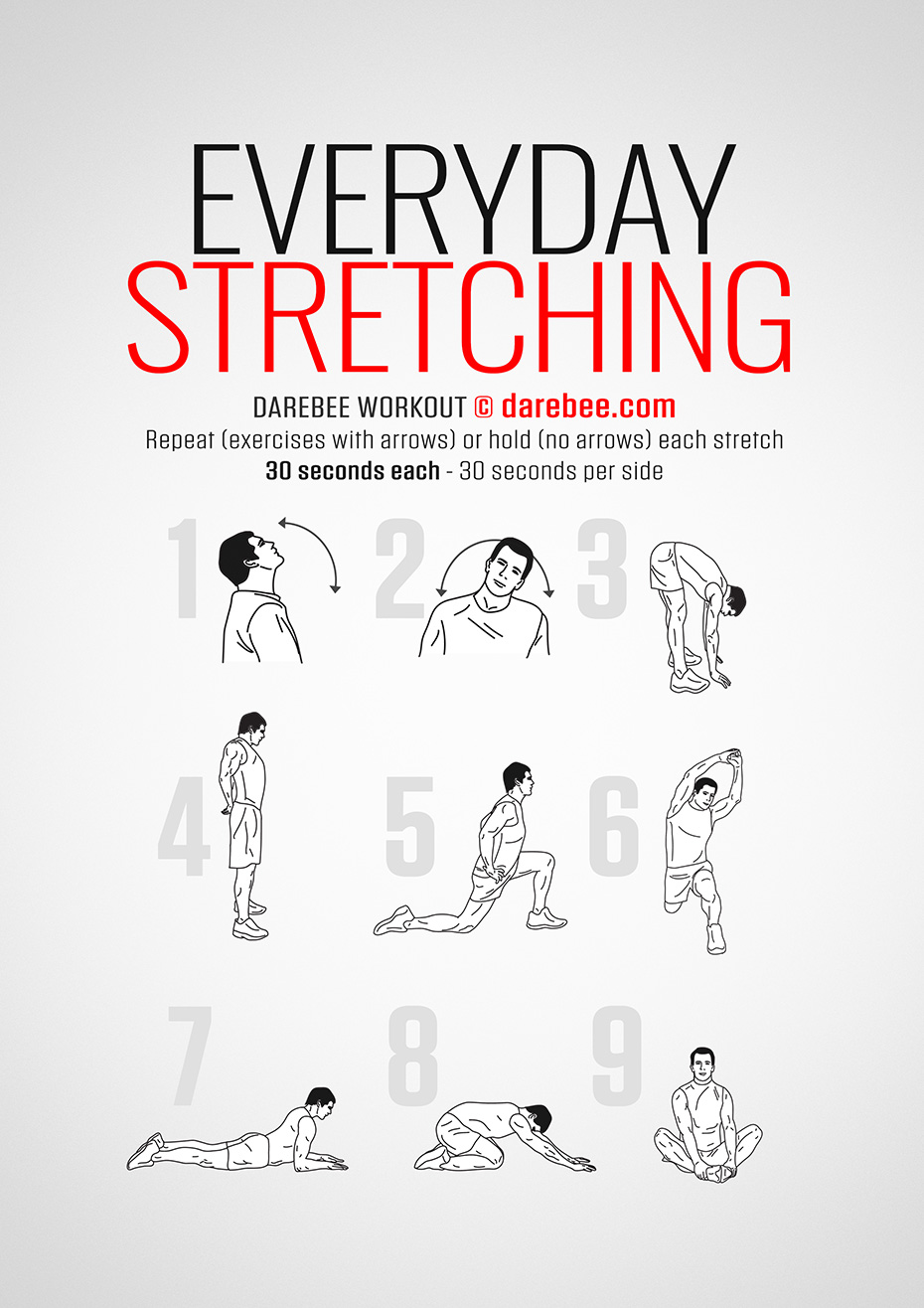
10 Essential Stretching Techniques for Everyday Flexibility
Maintaining everyday flexibility is crucial for overall physical health and can greatly improve performance in daily activities. Here are 10 essential stretching techniques that can help enhance your flexibility:
- Hamstring Stretch: Sit down and extend one leg while keeping the other leg bent. Reach for your toes to stretch your hamstring.
- Quadriceps Stretch: Stand tall and pull one foot towards your glutes to stretch your quadriceps.
- Shoulder Stretch: Bring one arm across your chest and pull it closer with the opposite arm.
- Triceps Stretch: Raise one arm overhead, bend at the elbow and gently pull with the opposite hand.
- Cat-Cow Stretch: On all fours, alternate between arching your back (cat) and lowering it while lifting your head and tailbone (cow).
Integrating these stretching techniques into your daily routine not only aids in improving flexibility but also helps to prevent injuries. For more detailed guidance on these stretches, you might want to check out resources like Healthline or Mayo Clinic. Implementing just a few minutes of stretching each day can yield significant benefits over time. Remember to listen to your body and stretch gently to avoid any strain.
Is Your Routine Holding You Back? Common Stretching Mistakes to Avoid
When it comes to fitness and overall well-being, a solid routine is essential, but even the best-laid plans can be undermined by common stretching mistakes. Many individuals underestimate the importance of proper technique and timing, leading to ineffective stretching that does not yield the desired benefits. For instance, holding stretches for too long can decrease muscle performance, especially if performed before a workout. It's crucial to find a balance—dynamic stretches are typically more beneficial at the beginning of your routine, while static stretches should be saved for post-exercise recovery.
Additionally, failing to pay attention to your body's signals can exacerbate common stretching mistakes. Many individuals push through discomfort, thinking it equates to progress, when in reality, this can lead to injury. Remember to listen to your body and adjust accordingly. Incorporating shorter, more frequent stretches throughout your day can be more effective than one long session. For more insights on the correct approach to stretching, check out this comprehensive guide on stretching techniques.